Views: 0 Author: Site Editor Publish Time: 2025-12-02 Origin: Site
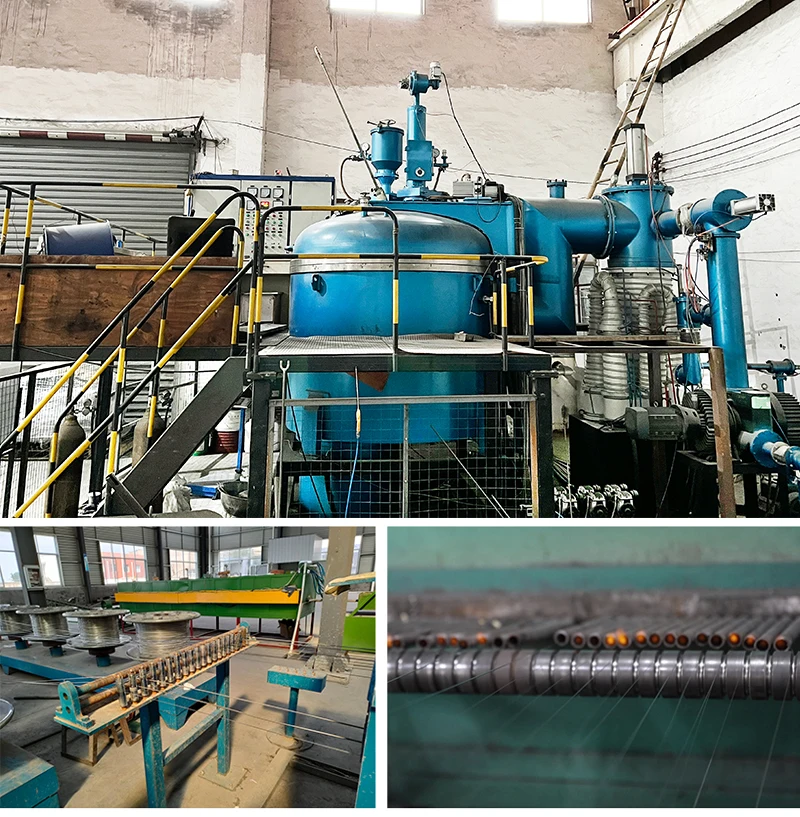
Hey, coating warriors and corrosion fighters—imagine your steel structures laughing off saltwater, acid rain, and brutal atmospheric attacks for decades. Sounds like sci-fi? Nope, it's 2025 reality thanks to thermal spray wires. These powerhouse consumables are the backbone of arc and flame spraying, melting into dense, sacrificial, or barrier coatings that shield everything from bridges to offshore rigs. With global infrastructure spending skyrocketing and renewables demanding tougher protection, the thermal spray wire market is exploding—projected to hit billions by 2030.
But not all wires are created equal. Pick the wrong one, and you're stuck with porous coatings that fail prematurely. Nail the right thermal spray wire? You're golden—literally, with extended asset life, slashed maintenance, and eco wins. In this no-fluff guide, we'll break down why these wires dominate anti-corrosion in 2025, pit them against old-school methods, and crown the top 5 thermal spray wires (spoiler: DLX Alloy's pure zinc wire claims the throne for unbeatable sacrificial protection). Whether you're a procurement pro or a spraying tech, buckle up—you'll leave knowing exactly what to stock for unbreakable coatings.
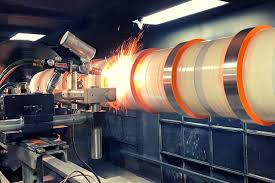
Picture this: A wire fed into a gun, zapped by electricity or flame, then blasted as molten droplets onto steel. Boom— instant armor. Thermal spray wires turn ordinary surfaces into corrosion-crushing fortresses, and in 2025, they're hotter than ever.
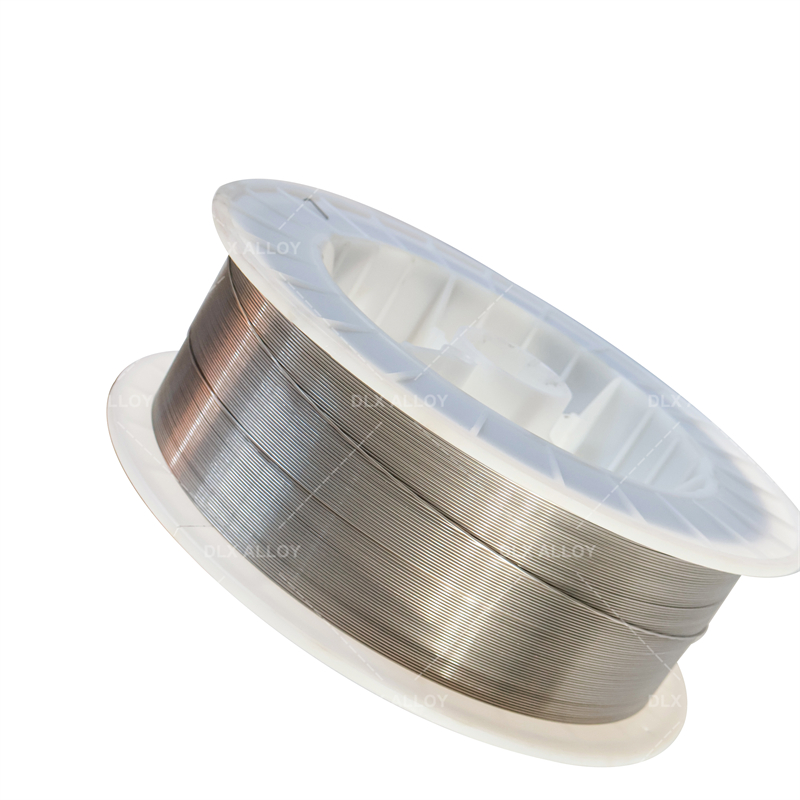
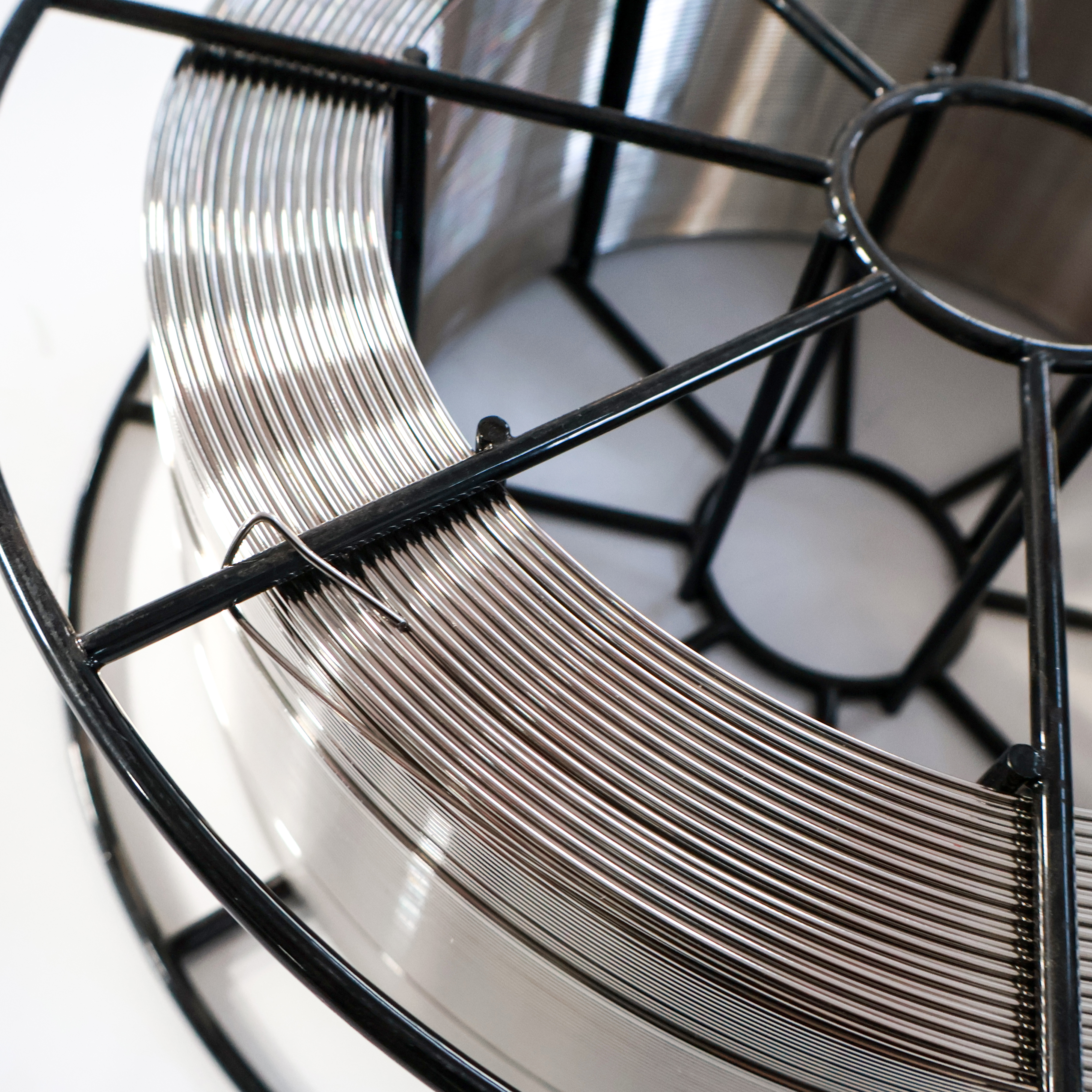
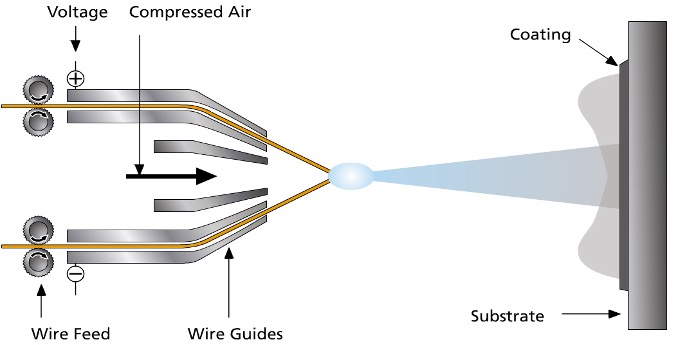
Thermal spray wires are precision-engineered spools of metal or alloy, typically 1.6mm to 3.17mm in diameter, designed exclusively for twin-wire arc spray or flame spray systems. Unlike generic welding wire, these bad boys boast ultra-high purity (99.99%+ for zinc/aluminum) and flawless surface finish to prevent jams and porosity. In arc spraying—the king for anti-corrosion—two wires create an electric arc, melting at 5,000°C+ before compressed air atomizes them into a high-velocity spray. The result? Dense coatings with bond strengths over 5,000 psi that laugh at rust.
 Market reports peg the thermal spray sector at a 6-8% CAGR through 2030, fueled by greener regs banning toxic paints and the need for on-site applications. Why wires over powders? Simpler equipment, higher deposition rates, and lower costs—perfect for massive structures.
From wind farms battling salty winds to pipelines dodging H2S attacks, thermal spray wires deliver where others flop. Add automation and robotic arms, and we're talking flawless coatings on complex geometries.
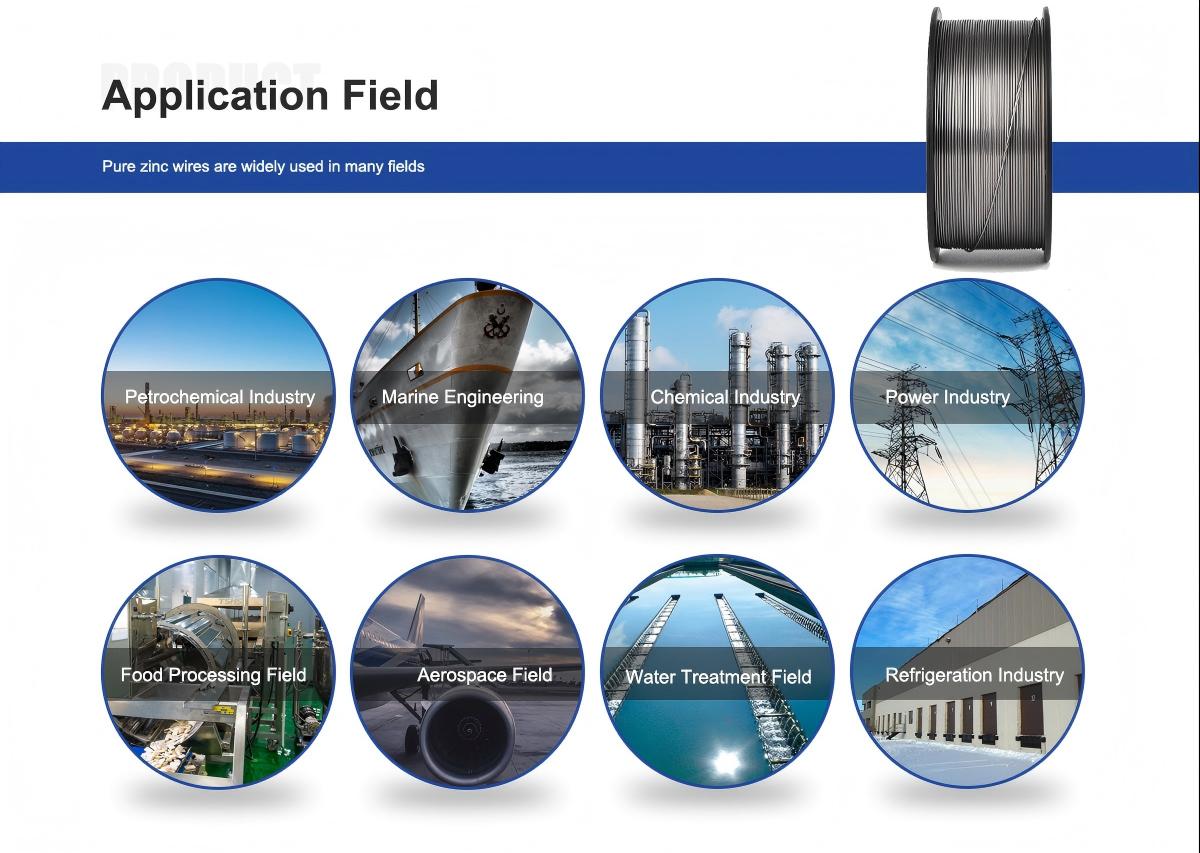
Corrosion costs the world $2.5 trillion yearly— that's like losing three Australias! Thermal spray wires are the frontline defense, especially in aggressive environments.
Offshore platforms and ship hulls face chloride hell. Thermal spray aluminum (TSA) or zinc wires provide cathodic protection, lasting 30+ years without dry-docking drama.
Think Golden Gate or Mumbai's sea links—thermal sprayed zinc/aluminum alloys have protected icons for decades, shrugging off pollution and humidity.
Sour gas? No problem. Sealed thermal spray coatings block H2S penetration, cutting leaks and explosions risks.
Wind turbine towers in coastal areas? Thermal spray zinc wires prevent white rust, ensuring green energy stays online.
Even here, NiAl bond coats under ceramics boost corrosion resistance in exhausts and landing gear.
Let's get gritty—how do thermal spray wires stack against the old guard? Spoiler: They dominate like a heavyweight champ.
| Item | Inconel 625 | Ni95Al5 | 45CT | Monel 400 | Monel K500 | HC-276 | Cr20Ni80 |
| C | ≤0.05 | ≤0.02 | 0.01-0.1 | ≤0.04 | ≤0.25 | ≤0.02 | ≤0.08 |
| Mn | ≤0.4 | ≤0.2 | ≤0.2 | 2.5-3.5 | ≤1.5 | ≤1.0 | ≤0.06 |
| Fe | ≤1.0 | N/A | ≤0.5 | ≤1.0 | ≤1.0 | 4.0-7.0 | N/A |
| P | ≤0.01 | ≤0.01 | ≤0.01 | ≤0.01 | ≤0.01 | ≤0.01 | ≤0.02 |
| S | ≤0.01 | ≤0.01 | ≤0.01 | ≤0.01 | ≤0.01 | ≤0.01 | ≤0.01 |
| Si | ≤0.15 | ≤0.2 | ≤0.2 | ≤0.15 | ≤0.5 | ≤0.08 | 0.75-1.6 |
| Cu | N/A | N/A | N/A | rest | 27-33 | N/A | N/A |
| Ni | rest | rest | rest | 65-67 | rest | rest | rest |
| Co | N/A | N/A | N/A | N/A | N/A | N/A | N/A |
| Al | ≤0.4 | 4-5 | N/A | ≤0.5 | 2.3-3.15 | N/A | N/A |
| Ti | ≤0.4 | 0.4-1 | 0.3-1 | 2.0-3 | 0.35-0.85 | N/A | N/A |
| Cr | 21.5-23 | ≤0.2 | 42-46 | N/A | N/A | 14.5-16 | 20-23 |
| Nb | 3.5-4.15 | N/A | N/A | N/A | N/A | N/A | ≤1.0 |
| Mo | 8.5-10 | N/A | N/A | N/A | N/A | 15-17 | N/A |
| V | N/A | N/A | N/A | N/A | N/A | ≤0.35 | N/A |
| W | N/A | N/A | N/A | N/A | N/A | 3.0-4.5 | N/A |
| Impurities | ≤0.5 | ≤0.5 | ≤0.5 | ≤0.5 | ≤0.5 | ≤0.5 | ≤0.5 |
Galvanizing dips parts in molten zinc—great for small bits, impossible for bridges. Thermal spray? On-site, no size limits, and adjustable thickness (100-500 microns). Plus, spray coatings are purer, with controlled porosity for sealers—lasting 2-3x longer in marine tests.
Paints chip, VOCs harm the planet, and they fail in 5-10 years. TSA forms a self-healing Al2O3 layer, barrier + cathodic protection, zero maintenance for 40+ years. Analogy: Paint's a raincoat; thermal spray aluminum is titanium armor.
Electroplating's thin, toxic, and uneven on big parts. Thermal spray NiAl bond coats deliver exothermic bonding (up to 10,000 psi), perfect primers for topcoats, while molybdenum wires tackle high-temp sulfidation where chrome fails.
Upfront? Spray might cost more, but lifecycle savings crush it—fewer recoats, no hazardous waste. In 2025, with ESG mandates, thermal spray wires are the sustainable superstar.
Don't grab any spool—here's what separates winners from weepers.
Impure wire = porous coatings = early failure. Look for 99.99% purity, ±0.05mm tolerance, and plastic spools that prevent tangles.
Ideal anti-corrosion coatings need 5-15% porosity for sealer penetration but rock-solid adhesion.
Arc for high-volume zinc/alum, flame for molybdenum precision.
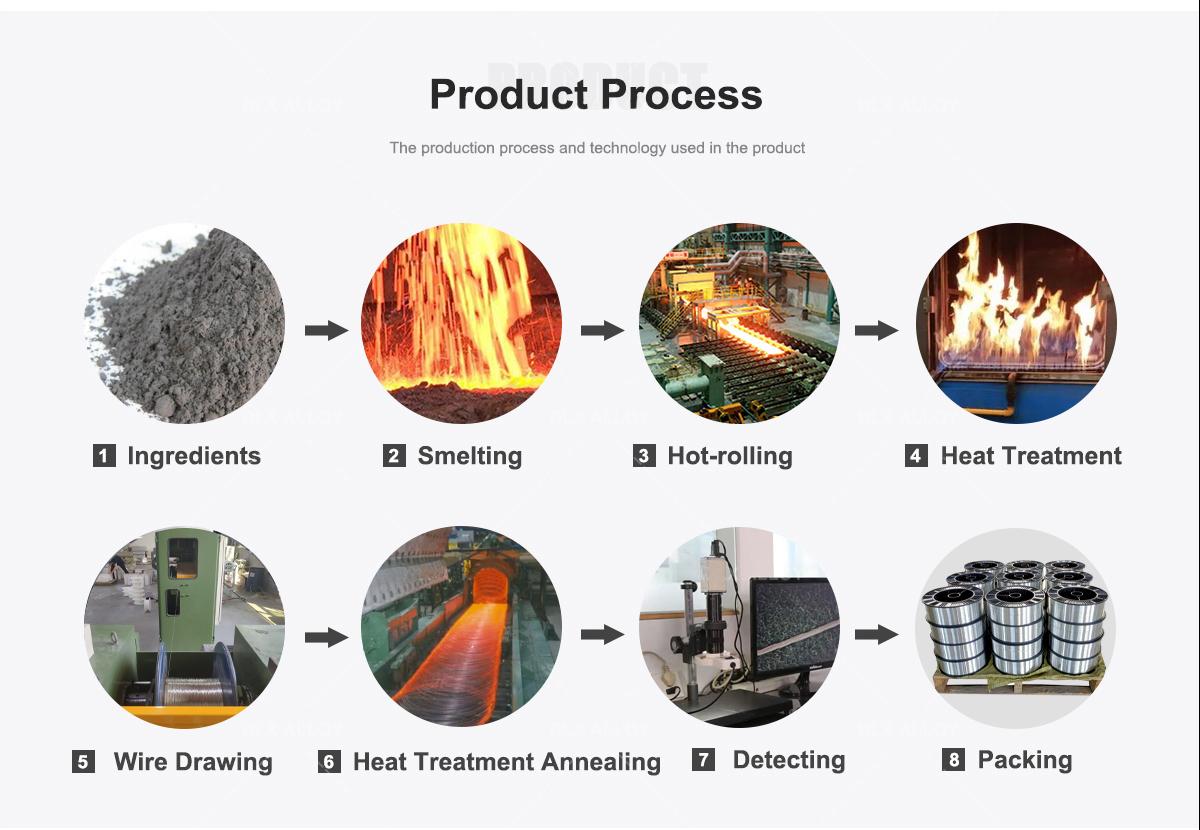
After scouring labs, field tests, and 2025 trends, here are the undisputed champs. Ranked by versatility, longevity, and real-world dominance—starting with the absolute best.
 When it comes to pure cathodic defense, nothing touches DLX Alloy's pure zinc thermal spray wire. This is the gold standard for atmospheric and immersion corrosion, delivering flawless galvanic protection that sacrifices itself to save steel.
DLX zinc wire hits 99.995% purity, zero impurities that cause spitting. Available in 1/16" to 1/8" diameters, it sprays buttery smooth at 15-25 kg/hour with bond strengths exceeding 1,500 psi.
In C5-M marine tests (ISO 12944), DLX coatings last 20+ years unsealed. It outperforms generics by forming denser Zn(OH)2 barriers, blocking oxygen and chlorides like a boss.
From Shanghai's bridges to North Sea platforms, DLX zinc has saved billions in repairs. One offshore client reported zero rust after 25 years—try that with paint!
The dynamic duo—85% zinc for sacrifice, 15% aluminum for barrier sealing. This mishmetal wire creates pseudo-alloy coatings that outperform pure zinc or alum alone.
Self-sealing Al-rich phases block pores, extending life 1.5-2x over pure zinc in acidic or chloride environments. Proven on Niagara bridges for 20+ years.
DLX and Platt Brothers lead with tight composition control—avoid cheap knockoffs that separate during spray.
For pH 4-9 environments, pure aluminum thermal spray wire (TSA) forms impenetrable Al2O3 oxide—perfect for tanks and splash zones.
No cathodic needed below waterline; lasts 40+ years. Lighter than zinc, ideal for weight-sensitive structures.
DLX's 99.9% aluminum wire sprays oxide-free for dense, ductile coatings.
Not a standalone, but the ultimate primer. Exothermic reaction hits 250°C on impact, metallurgically bonding topcoats.
Boosts any anti-corrosion stack—zinc over NiAl lasts forever. DLX NiAl5 is the smoothest feeder out there.
For boilers and furnaces facing sulfidation, pure Mo wire shines where others oxidize.
Dense, self-lubricating coatings resist 1,000°C+ attacks. Emerging in biomass plants.
Nano-additives, cored wires with ceramics, and AI-optimized compositions are coming fast.
Lead-free, recyclable—DLX leads the charge.
Wires with zero cast/ helix for flawless robotic feeds.
Expect Zn/Al with graphene for insane durability.
With hydrogen economies and carbon capture rising, thermal spray wires will shield the green revolution.
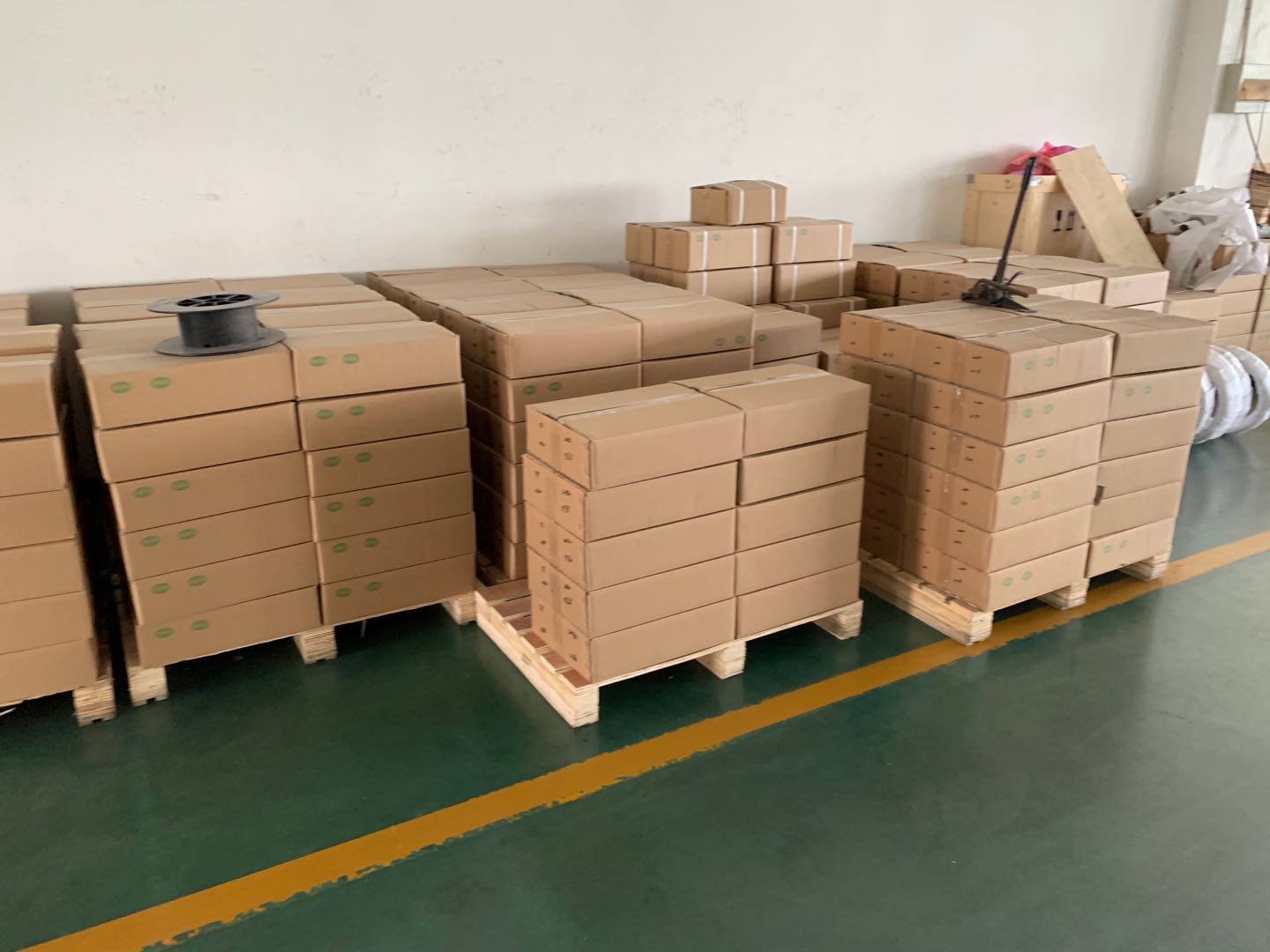
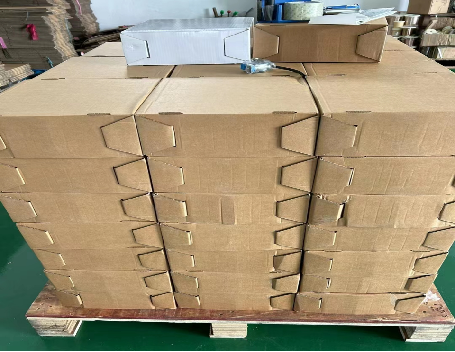
In 2025, when infrastructure faces unprecedented corrosion challenges from extreme climates, hydrogen embrittlement, and ever-stricter ESG regulations, only the highest-quality thermal spray wires can deliver true long-term protection and lifecycle value. That’s where DLX Alloy stands unchallenged.



As a globally trusted brand, DLX Alloy has earned its reputation through relentless pursuit of perfection: ultra-high purity up to 99.995%, diameter tolerance controlled within ±0.02 mm, flawless surface finish, and zero-spitting performance that guarantees dense, pore-free coatings with exceptional bond strength. Whether it’s pure zinc wire providing unbeatable sacrificial protection for 25+ years in C5-M marine environments, Zn85Al15 pseudo-alloy extending service life 1.5–2 times in acidic conditions, TSA pure aluminum forming self-healing barriers that last over 40 years, or Ni95Al5 bond coat achieving metallurgical adhesion exceeding industry standards — every spool carrying the DLX name represents the pinnacle of reliability and performance.
Choosing DLX Alloy means choosing peace of mind: lower total ownership cost, minimal maintenance, proven real-world durability from Shanghai’s coastal bridges to North Sea offshore platforms, and full compliance with the green transition. Don’t settle for generic wires that compromise your assets — partner with DLX Alloy and armor your steel with the world’s finest thermal spray solutions.