Views: 0 Author: Site Editor Publish Time: 2026-11-17 Origin: Site
Choosing an Inconel 625 seamless tube supplier is a project decision with real consequences. The right tubing can help a system handle chloride-bearing fluids, elevated temperatures, pressure, and demanding offshore conditions. The wrong material, incomplete paperwork, or a mismatch between the tube and the design can lead to delays, costly rework, or service problems.
So how do you identify the best Inconel 625 seamless tube suppliers for oil and gas projects? Start with more than a price comparison. Check the applicable standard, manufacturing route, material traceability, inspection plan, and the supplier’s ability to meet your project requirements. This guide explains what to look for and why DLX Alloy may be worth including in your supplier evaluation.
Oil and gas systems can expose tubing to combinations of pressure, temperature, corrosive media, vibration, and difficult access for maintenance. Offshore and subsea equipment may face chloride-rich seawater. Production facilities may handle acidic or sour environments. Instrumentation and chemical-injection lines may require small-bore tube with consistent dimensions and dependable documentation.
A supplier’s job is therefore broader than providing metal in the requested size. The tubing must match the engineering specification, arrive with the required records, and be packaged and identified so it can be traced through receiving, fabrication, and installation.
A low unit price can look attractive until missing test records hold up inspection or the ordered condition does not match the project’s requirements. A careful supplier comparison helps purchasing and engineering teams make a decision they can explain and document.
Inconel 625, also known as Alloy 625 or UNS N06625, is a nickel-chromium-molybdenum-niobium alloy. The combination of alloying elements gives it a useful balance of strength and resistance to many corrosive environments. ASTM lists UNS N06625 among the alloys covered by its specification for cold-worked seamless pipe and tube.
That combination makes Alloy 625 a candidate for selected oil and gas applications where corrosion resistance is a major design consideration. It does not mean every Inconel 625 tube is automatically suitable for every fluid, temperature, pressure, or sour-service condition. The project engineer must check the actual operating environment and applicable requirements.
The nickel-rich composition and chromium, molybdenum, and niobium additions contribute to Alloy 625’s performance in many corrosive and high-temperature applications. In practice, however, a material name alone is not a complete specification. The product form, dimensions, heat treatment, manufacturing standard, inspection requirements, and intended service all matter.
Buyers should distinguish between general material properties and verified product compliance. A datasheet can describe typical alloy characteristics, while the order documents and material test certificate should establish what was supplied for a particular heat and shipment.
Steel grade | Inconel 625 |
C≤ | 0.100 |
Mn≤ | 0.50 |
P≤ | 0.015 |
S≤ | 0.015 |
Si≤ | 0.50 |
Cr≤ | 20.0-23.0 |
Ni≤ | ≥58.0 |
Mo | 8.0-10.0 |
Cu | / |
N | / |
Nb | 3.15-4.15 |
other | Co:≤1.0Ai:≤0.4 0Tr:0.40Fe:≤5.0 |
Depending on the design and project specification, Inconel 625 tubing may be considered for:
Offshore and subsea equipment
Instrumentation and control lines
Chemical-injection tubing
Heat exchangers and condensers
Corrosion-resistant components in production systems
Selected process lines exposed to corrosive media
These examples are not a substitute for an engineering review. Confirm compatibility with the process fluid, pressure, temperature, connection method, and governing project standards before specifying the alloy.
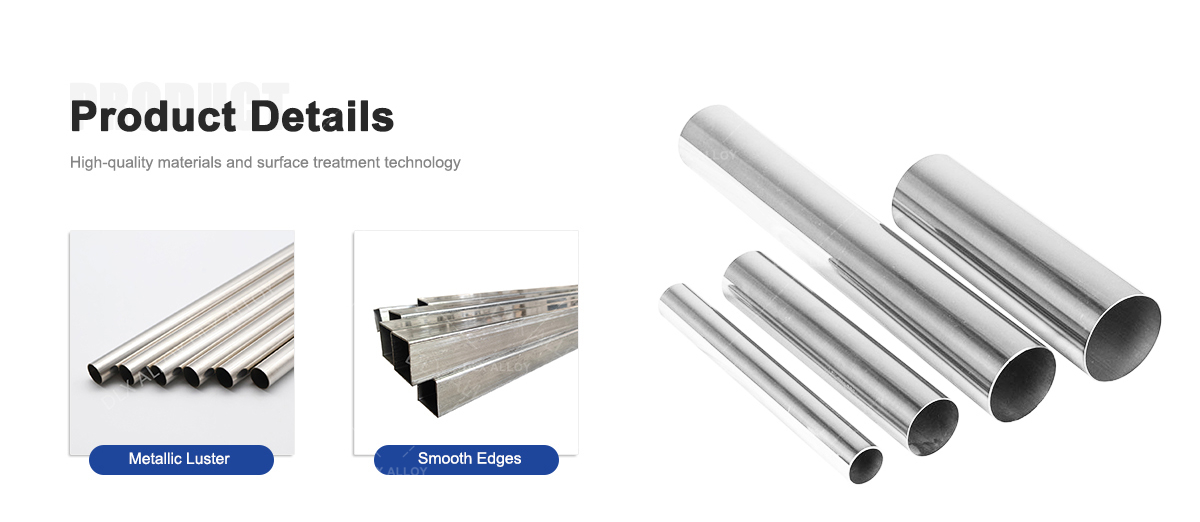
A common sourcing question is whether the project needs seamless or welded tubing. The answer depends on the governing specification and the design. Seamless tubing is made without a longitudinal weld seam. Welded tubing is formed from material that is joined along a seam, then processed to meet its specified requirements.
Buyers should not assume that one form is always superior. Instead, match the manufacturing route to the design basis, applicable standard, inspection plan, dimensions, and purchaser requirements. If the project documentation explicitly calls for seamless tube, a supplier should not quote a different product form as an equivalent without written engineering approval.
Seamless Inconel 625 tube may be specified when required by the design, code, or purchasing document. It is often considered for pressure-containing or critical service where the project calls for seamless construction. The order should clearly state the applicable specification, grade or condition, outside diameter, wall thickness, length, tolerances, and required testing.
ASTM B444-23 covers cold-worked seamless pipe and tube for specified nickel-chromium-molybdenum-niobium alloys, including UNS N06625. The standard also identifies annealed Grade 1 and solution-annealed Grade 2 supply conditions for UNS N06625.
Welded Inconel 625 tubing may be an option when the design and project specification permit it. It can be available in dimensions or product configurations that suit particular applications. The purchaser should verify the applicable welded-product standard, weld inspection requirements, heat treatment, dimensional tolerances, and acceptance criteria.
Always compare like with like. A quote for seamless ASTM B444 tube and a quote for welded tubing under a different specification should not be treated as equivalent simply because both list “Inconel 625.”
Standards help define what a product must meet, but the purchase order must identify the right standard and requirements for the application. Ask the supplier to confirm the exact product standard and any supplementary requirements before the order is placed.
ASTM B444 covers specified nickel-chromium-molybdenum-niobium alloys in cold-worked seamless pipe and tube form. Its scope includes UNS N06625 and references general requirements in ASTM B829.
For projects using ASME specifications, confirm the applicable edition and designation in the project documents. Avoid relying on shorthand in a sales email. The quote, order acknowledgement, and inspection documents should all use consistent product and standard descriptions.
A material test certificate helps connect the supplied product to its heat and test results. Buyers should confirm what certificate type the project requires, such as EN 10204 3.1 where specified, and check that the documents identify the material grade, heat number, product form, dimensions, heat-treatment condition, and relevant test results.
For oil and gas procurement, traceability should continue from the certificate to the product marking and packing list. If the tubing is cut or repackaged, ask how the supplier preserves identification for each piece or bundle.
Ask what inspections and tests are included in the quotation and which are optional or project-specific. Depending on the product specification and purchase order, requirements may include chemical analysis, tensile testing, hydrostatic testing, nondestructive examination, positive material identification, dimensional checks, or third-party inspection.
Do not assume every supplier includes the same tests by default. Put required inspections, acceptance criteria, reporting format, witness or hold points, and document submission timing in the request for quotation.
Search results for Inconel 625 tubing suppliers range from product pages focused on standards and sizes to articles that rank suppliers. Some supplier pages highlight oil and gas applications, while others emphasize product breadth or international supply. For a project buyer, the useful comparison is the one that tests each vendor against the same engineering and procurement checklist.
Ask whether the company manufactures the tubing, stocks it, or sources it from another mill. This affects lead time, customization, communication, and the documents available. A capable supplier should be able to clarify whether it can offer the requested seamless form, dimensions, condition, and length.
If your scope includes more than one tube size or related nickel alloy product, ask whether the supplier can consolidate the order while keeping each line item clearly identified. This can simplify coordination, but it should never blur the origin or compliance records for individual products.
Request sample documentation before placing a major order. Review the certificate format, traceability fields, test reports, and product marking. Ask whether inspection can be witnessed and whether third-party verification is available when required by the project.
A supplier’s quality-system certificate may be relevant, but it does not replace product-specific inspection records. Keep the focus on evidence for the exact material and order under review.
A good supplier should respond clearly to technical questions and flag gaps in the request. For example, if the specification omits a required condition, inspection, length, or marking instruction, the supplier should ask for clarification instead of silently making an assumption.
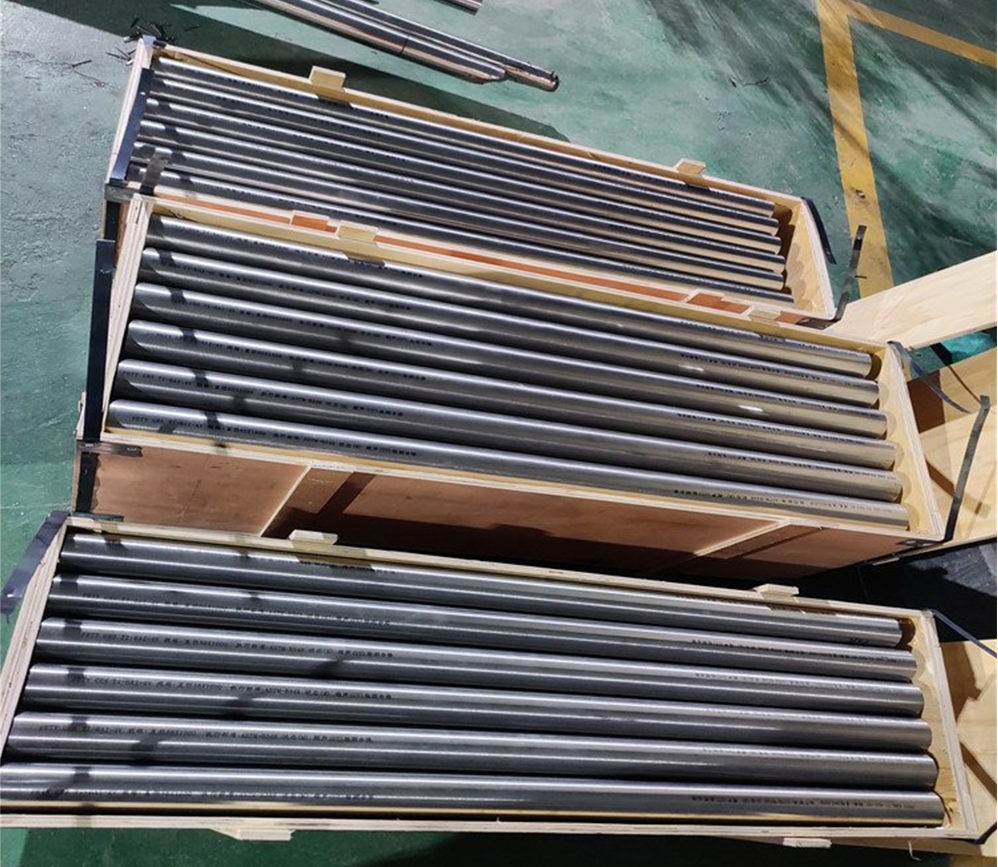
Lead time should be stated for the quoted dimensions and quantity, with the supplier distinguishing stock material from production orders. Confirm packaging, shipment terms, export documentation, and how the supplier will protect tube ends and preserve identification during transport.
DLX Alloy is one supplier buyers can include when comparing Inconel 625 tube options for oil and gas projects. Its product information describes seamless tube to ASTM B444 and welded tube to ASTM B704, along with product options for heat-exchanger and subsea-related systems.
DLX Alloy also identifies itself as Changzhou DLX Alloy Co., Ltd. and lists nickel-alloy products among its offerings. As with any supplier, buyers should assess the specific product, documentation, and manufacturing details against their own project requirements.
DLX Alloy’s product information describes Inconel 625 tubing in seamless and welded forms, with customization options for dimensions and product requirements. For a project buyer, the important step is to convert those options into a precise inquiry: seamless or welded, ASTM or ASME designation, outside diameter, wall thickness, length, condition, quantity, testing, inspection, and certificate format.
This level of detail helps DLX Alloy prepare a quote that can be compared fairly with offers from other suppliers. It also gives both sides a clear record of what was requested and what was offered.
Before placing an order, ask DLX Alloy to confirm the following in writing:
The exact material designation and product standard for each line item.
The manufacturing route and supply condition.
Available dimensions, tolerances, and lengths.
The heat number and traceability method.
Included mechanical, chemical, hydrostatic, or nondestructive testing.
The material certificate format and sample documentation.
Any project-specific sour-service requirements and supporting evidence.
Production or stock lead time, packaging, and shipment terms.
Whether third-party inspection or purchaser witness points can be arranged.
This checklist gives your engineering and procurement teams a concrete basis for deciding whether the offer fits the project. It also helps prevent misunderstandings about what “compliant” means for a particular application.
A well-prepared request for quotation helps suppliers respond with useful, comparable offers. Include:
Material: Inconel 625 / UNS N06625
Product form: seamless tube
Applicable standard and edition
Outside diameter and wall thickness
Required length and quantity
Heat-treatment or supply condition
Operating temperature, pressure, and process environment
Sour-service or other project requirements, if applicable
Testing, inspection, and certificate requirements
Marking, packing, destination, and delivery schedule
If any requirement is not yet finalized, identify it as pending rather than leaving suppliers to guess. Ask each vendor to list deviations and exclusions clearly. That makes it easier to compare offers on technical fit, documentation, delivery, and total project value instead of looking at unit price alone.
The best Inconel 625 seamless tube supplier for an oil and gas project is the one that can meet the actual engineering specification and prove what it supplied. Compare manufacturing form, ASTM or ASME requirements, condition, dimensions, traceability, testing, documentation, lead time, and logistics. DLX Alloy can be included in that evaluation for Inconel 625 seamless tube requirements, with the final decision based on project-specific review of its quotation and supporting records. A clear inquiry and a careful document check can make the sourcing process more predictable from purchase order to installation.
ASTM B444 covers cold-worked seamless pipe and tube for specified nickel-chromium-molybdenum-niobium alloys, including UNS N06625. Confirm the edition and any additional requirements in the project specification.
It may be suitable for selected applications that need a nickel alloy with strength and corrosion resistance. Suitability depends on the fluid, temperature, pressure, design, and governing project requirements.
Seamless tubing is manufactured without a longitudinal weld seam. Welded tubing is formed and joined along a seam. The project specification determines which form is acceptable and what inspection requirements apply.
Request the material test certificate and required test reports. Confirm heat-number traceability, product markings, inspection records, and any project-specific compliance documents required by your purchase order.
DLX Alloy’s product information describes seamless and welded Inconel 625 tubing and customization options. Send the exact standard, dimensions, condition, quantity, inspection requirements, and delivery destination to confirm availability for your project.